
How to Choose the Best Subcontractor Directory (Without Getting a Headache)
Finding the right subcontractor is a bit like online dating, except instead of a bad dinner and a ghosting, a poor match results in a delayed schedule, a blown budget, and a sudden urge to scream into a bucket of wet concrete.
If you’re a General Contractor (GC) tired of scrolling through the "digital yellow pages" only to find phone numbers that haven't worked since the Bush administration, you aren't alone. The construction industry is legendary for its "old-school" networking, but the old school has been out for summer for a long time. Today, the "headache-free" way to build your crew is through a modern subcontractor directory.
But here’s the catch: not all directories are created equal. Some are bustling marketplaces, while others are digital ghost towns where the only thing being "built" is dust.
So, how do you choose the right one? Grab a coffee, put your phone on "Do Not Disturb" (we know the Super is calling), and let’s dive into how to pick the best platform for your next project.
1. The "Ghost Town" Test: Is Anyone Actually Home?
The first thing you’ll notice about many directories is a flashy homepage promising "100,000+ professionals!" This sounds impressive until you realize 99,000 of them signed up in 2012 and haven't logged in since.
A high-quality directory, like Construction Subfinder.com, is a living ecosystem. You want to see active movement. Are there new project listings being posted daily? Are subcontractors updating their profiles?
When you use a directory that’s essentially a static list, you’re just doing Google’s job, but with more clicks. A modern platform should provide a two-way street: you find them, they find you, and everyone actually responds to messages. If a site looks like it was designed when dial-up was still a thing, run.
2. MasterFormat Divisions: Speak the Language of Construction
In the world of construction, "I need a guy who does stuff with pipes" doesn't cut it. You need a specialized crew that fits a very specific scope. This is where many generic business directories fail, they group "Plumbers" into one giant bucket.

A top-tier directory organizes its database using MasterFormat divisions. This industry-standard categorization allows you to filter specifically for Division 03 (Concrete), Division 22 (Plumbing), or even niche sub-sections like Division 26 50 00 (Lighting).
When a directory understands these divisions, it saves you from the "No, I don't do that" phone call cycle. You can drill down into specific work scopes with surgical precision. At Construction Subfinder.com, we’ve built our entire search architecture around these divisions because we know that "finding a sub" is really about "finding the right sub for this exact scope."
3. Location-Based Matching: The "Map it Out" Factor
Construction is inherently local. You don't need a top-rated framing crew in Seattle if your project is in Orlando, unless you have a very large travel budget and a lot of patience.
The best directories prioritize location-based matching. You should be able to drop a pin on your jobsite and see exactly which qualified subcontractors are within a 20, 50, or 100-mile radius.

Why does this matter?
- Reduced Mobilization Costs: Closer crews mean lower travel fees.
- Local Knowledge: Local subs know the local inspectors and supply houses.
- Reliability: It's much harder for a sub to "get lost" on the way to the jobsite when they only live two exits away.
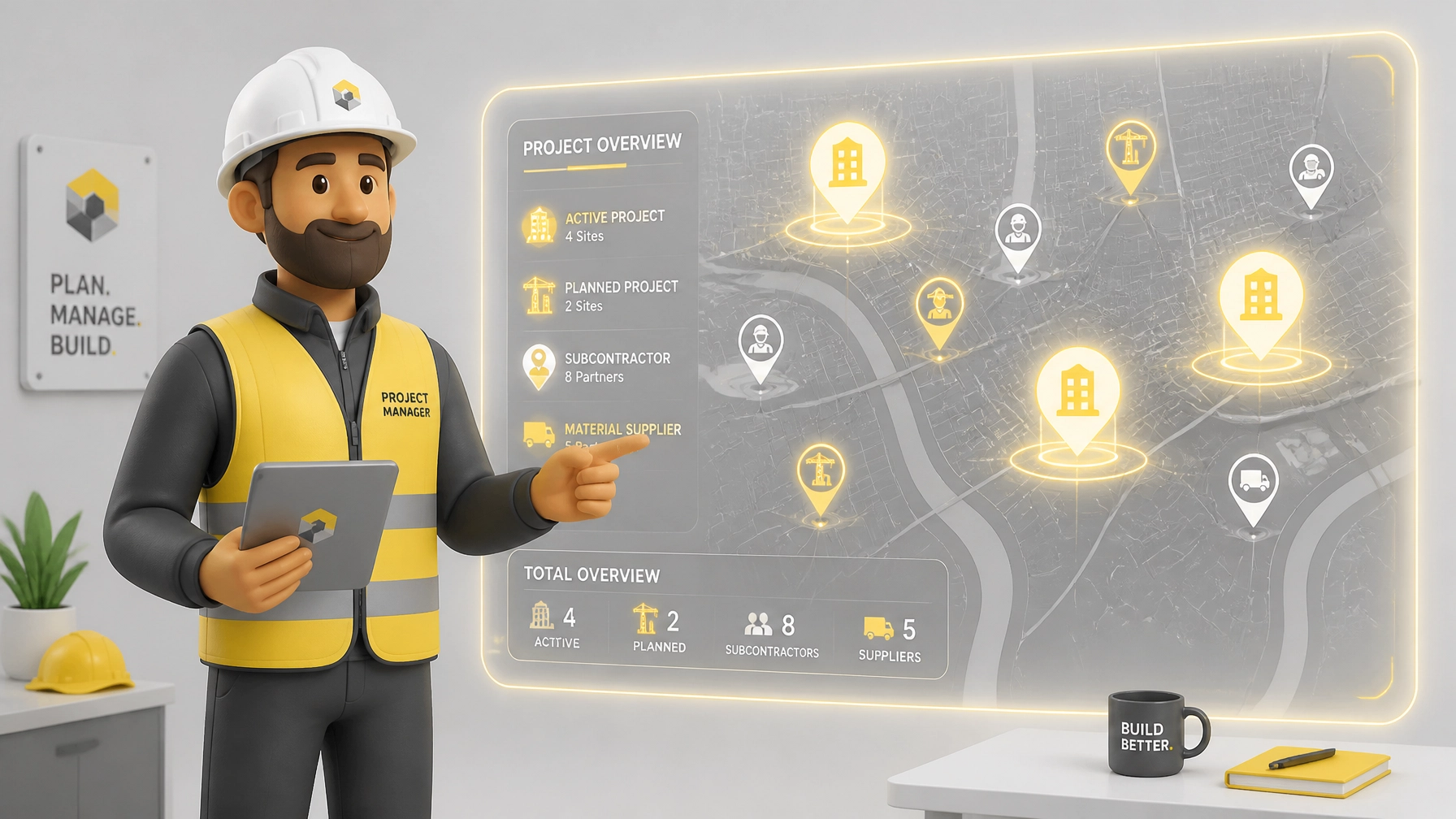
Using the map search on Construction Subfinder.com turns the search process into a visual experience. Instead of a spreadsheet, you’re looking at a strategy. You can see the density of trades in your area and plan your outreach accordingly. For more on how to optimize your local search, check out our About page.
4. Project Listings: Let the Work Do the Talking
A directory shouldn't just be a phone book; it should be a bulletin board. One of the most powerful features to look for is the ability to create project listings.
Instead of cold-calling 50 HVAC companies, a great platform allows you to post your project details, upload the necessary scope requirements, and let qualified subcontractors raise their hands. This flips the script. You aren't "begging" for a quote; you’re offering an opportunity.

When you post a project on Construction Subfinder.com, you’re broadcasting to a targeted audience of local professionals. This streamlines the process of gathering proposals and ensures that the subs who contact you are actually interested and available. If you're ready to get your first project listed, head over to our GC Signup page.
5. Vetting and Transparency (The "Are You Legit?" Check)
We’ve all been there: the sub who talks a big game but shows up with a rusty truck and a "don't worry about the permit" attitude. While no directory can physically go to the jobsite and check their levels for you, a good one will provide the data you need to do your own vetting.
Look for directories that offer:
- Detailed Profiles: Do they have photos of past work?
- Verified Credentials: Are their certifications and licenses listed?
- Reviews and References: What do other GCs have to say?
A directory that hides this information is doing you a disservice. Transparency is the currency of the construction industry. You want a platform that encourages subs to put their best foot forward and prove their value before you even pick up the phone.
6. The "Headache-Free" User Experience
If it takes a 40-minute webinar to learn how to search for a dry-waller, the software is the problem.
In the construction world, time is money, literally. You’re likely checking these directories from a jobsite trailer or the front seat of your truck. You need an interface that is fast, mobile-responsive, and intuitive.
- Can you filter by trade in two clicks?
- Is the messaging system easy to use?
- Does the site load quickly on a spotty 5G connection?
If the answer is "No," then that directory isn't a tool; it's another task on your to-do list. We designed Construction Subfinder.com to be minimalist and straightforward. We know you don't have time for fluff. You have a project to build.
7. The Subscription Trap vs. Real Value
Be wary of directories that lock every single feature behind a massive paywall before you even know if there are subs in your area. A transparent platform will let you see the landscape before asking for your credit card.
Compare the costs to the potential ROI. If a subscription to a directory helps you find one reliable, high-quality sub for a major project, it has likely paid for itself for the next decade. However, make sure you aren't paying for "premium placement" that just puts unqualified leads at the top of your list. You want quality, not just volume. For more pricing details, you can visit our Subscription page.
8. Goodbye, Rolodex (And Good Riddance)
There’s a certain nostalgia for the old physical Rolodex, but let’s be honest: it’s an inefficient mess. It doesn't update when someone changes their phone number, it doesn't tell you if a sub is overbooked, and it certainly doesn't help you find new talent when your "regular guy" retires.

Choosing the right directory is about future-proofing your business. It’s about building a dynamic, scalable network of subcontractors that you can tap into whenever a new project hits your desk.
By focusing on MasterFormat divisions, location-based matching, and active project listings, you move away from the "headache" of manual searching and toward the efficiency of a connected ecosystem.
Ready to Ditch the Headache?
The construction industry is evolving, and your networking tools should too. Whether you’re a General Contractor looking for a niche specialist or a Subcontractor searching for your next big project lead, Construction Subfinder.com is built to make that connection seamless.
Stop scrolling and start building. Check out our FAQ to learn more, or contact us today to see how we can help you grow your network.